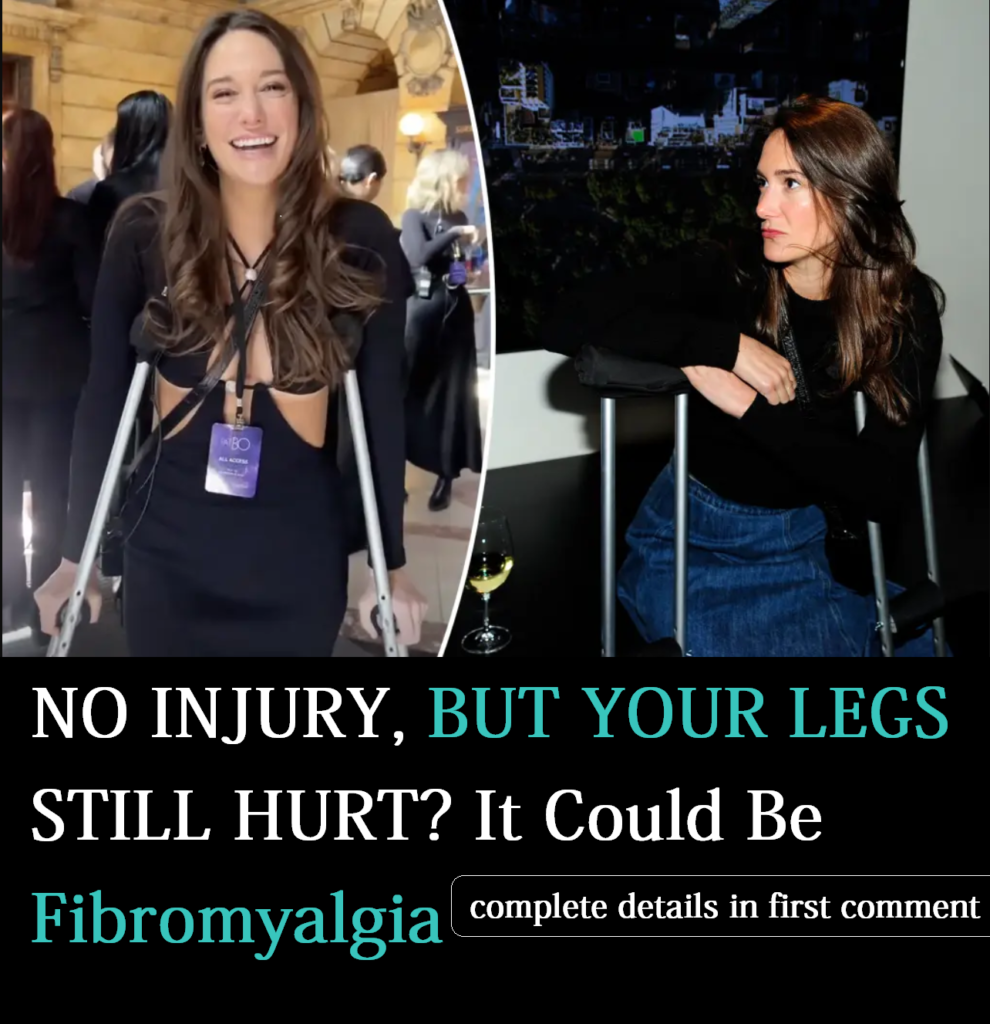
In the documentary “Gaga: Five Foot Two,” released by Netflix, Lady Gaga opens her heart about a silent battle she fought for over five years: fibromyalgia.


 Chronic, real, and debilitating pain


 “I get annoyed with people who think fibromyalgia isn’t real.”“I get so annoyed with people who don’t believe fibromyalgia is real. For me—and for many others—it’s a cyclone of anxiety, depression, PTSD, trauma, and panic. All of that overloads the nervous system, and the result is nerve pain, pain all over the body.”“People need to be more compassionate. Chronic pain is no joke. It’s waking up every day not knowing how you’re going to feel.”
 The importance of talking about it.
 “When a public figure says, ‘I go through this,’ they validate the pain of thousands of people. They make them feel less alone.”

 Awareness saves lives.
Fibromyalgia exists. Fibromyalgia hurts. And no one should have to face it alone.
Lady Gaga is known around the world for her music, performances, creativity, and determination. But in the Netflix documentary Gaga: Five Foot Two, audiences were given a much more personal look at the woman behind the stage lights.
The documentary revealed something many people never see when they look at a successful performer: life with chronic pain.
Lady Gaga openly discussed her experience with fibromyalgia, a chronic condition associated with widespread pain, fatigue, sleep problems, and other symptoms. Rather than presenting pain as something that simply disappears when the cameras turn on, she showed how it can follow someone into rehearsals, recording sessions, interviews, performances, and ordinary moments at home.
Her story resonated with millions of people living with fibromyalgia and other chronic pain conditions because it highlighted one of the most difficult aspects of the illness: you can look completely fine while feeling anything but fine inside.
For people searching for information about Lady Gaga fibromyalgia, fibromyalgia symptoms, fibromyalgia chronic pain, or what a fibromyalgia flare-up feels like, Gaga’s story provides an important starting point—but it is also important to understand the medical condition beyond a celebrity’s personal experience.
Lady Gaga’s Fibromyalgia Journey in Gaga: Five Foot Two
Released by Netflix in 2017, Gaga: Five Foot Two follows Lady Gaga during a demanding period of her career. The documentary moves between professional commitments and deeply personal moments, including scenes in which she discusses and experiences physical pain.
One of the most memorable aspects of the documentary is that Gaga does not simply mention pain in passing. Viewers see how it affects her physically and emotionally.
At one point, she is shown struggling with severe discomfort and muscle spasms. In another scene, she receives medical treatment while preparing for professional obligations.
These moments challenge a common misconception about chronic illness: that someone who is working, smiling, performing, or appearing glamorous cannot also be suffering.
The reality can be very different.
A person with fibromyalgia may attend work, look after children, meet friends, exercise, or participate in important events while experiencing significant pain. Continuing with daily responsibilities does not necessarily mean the symptoms are mild.
Gaga’s experience also illustrates the complicated relationship between ambition and chronic illness. She has spoken about wanting to continue making music and connecting with her fans while recognizing that her body sometimes requires rest and treatment.
That balance is familiar to many people with chronic pain.
What Is Fibromyalgia?
Fibromyalgia is a long-term condition characterized primarily by widespread musculoskeletal pain and increased sensitivity to pain. It can also involve fatigue, sleep difficulties, cognitive symptoms often called fibro fog, headaches, and a range of other symptoms.
The exact cause of fibromyalgia is not completely understood. Researchers believe that changes in how the nervous system processes pain may play an important role.
Importantly, fibromyalgia is real. It is not simply ordinary muscle soreness, and it is not something a person can overcome by deciding to “push through” it.
Symptoms can also fluctuate. Someone may have a relatively manageable day followed by a much more difficult period.
This variability is one reason fibromyalgia can be so misunderstood.
The Invisible Nature of Fibromyalgia Pain
One of the strongest messages associated with Lady Gaga’s discussion of fibromyalgia is the idea of invisible illness.
Unlike an obvious physical injury, fibromyalgia usually does not produce a visible sign that tells other people how much someone is hurting.
There may be no cast, bandage, wheelchair, or visible wound.
Yet the person may experience widespread pain, exhaustion, disrupted sleep, headaches, sensitivity to touch, or difficulty concentrating.
This creates a frustrating situation: other people may judge someone based on appearance rather than symptoms.
A person might hear comments such as:
- “But you look healthy.”
- “You were fine yesterday.”
- “You don’t look sick.”
- “Maybe you just need more exercise.”
- “You should try to think positively.”
For someone living with chronic pain, these comments can feel dismissive.
Fibromyalgia Flare-Ups Can Change Daily Life
Fibromyalgia symptoms are not necessarily the same every day. Many people experience periods when symptoms become noticeably worse. These periods are commonly described as fibromyalgia flare-ups or flares.
During a flare, pain and fatigue may become more difficult to manage. Sleep can also become less refreshing, and concentration may be harder.
Triggers vary from person to person. Stress, poor sleep, overexertion, illness, changes in routine, and other factors may contribute to worsening symptoms for some individuals.
This does not mean that every flare has a single identifiable cause.
Sometimes a person may genuinely have no clear explanation for why they feel worse.
That uncertainty can be emotionally exhausting.
Lady Gaga’s public discussion of pain helped bring attention to this reality. A person may appear energetic on stage while experiencing severe symptoms before or after the performance.
In other words, what people see is only one moment of someone’s day.
Fibromyalgia, Stress, Anxiety, and Emotional Health
Fibromyalgia is often discussed alongside emotional stress because pain and psychological wellbeing can influence one another.
Living with chronic pain can be emotionally draining. Constant symptoms may interfere with sleep, work, relationships, social activities, and personal goals. Over time, those limitations can contribute to frustration, anxiety, low mood, or social withdrawal.
At the same time, stress can make pain feel more difficult to manage for some people.
This does not mean fibromyalgia is “all in your head.”
That distinction is extremely important.
Fibromyalgia involves genuine physical symptoms and changes in pain processing. Emotional stress may influence symptom severity without being the underlying explanation for the condition.
Gaga has publicly described the connection she experiences between emotional distress and physical symptoms. Her comments offer a personal perspective, but individual experiences should not be treated as universal medical rules.
The Nervous System and Chronic Pain
One reason researchers have focused on the nervous system is that fibromyalgia appears to involve altered pain processing.
In simple terms, the nervous system can become unusually sensitive to signals that the brain interprets as painful.
This may help explain why a person can experience widespread pain even when there is no single injury responsible for every painful area.
Researchers continue to investigate the biological mechanisms behind fibromyalgia, including nervous-system processing, genetics, sleep, immune and hormonal factors, and interactions between different systems of the body.
There is still much to learn.
That is another reason awareness matters. Better public understanding can encourage people with persistent symptoms to seek appropriate medical evaluation instead of feeling that they simply have to tolerate unexplained pain.
Why Lady Gaga’s Story Matters to People With Fibromyalgia
Celebrity stories can sometimes seem distant from ordinary life. Lady Gaga has access to doctors, therapists, trainers, assistants, and professional support that many people do not have.
But her story still has an important value.
It helps people understand that chronic illness does not necessarily have a particular appearance.
A person with fibromyalgia can be successful.
They can have a career.
They can have children.
They can socialize.
They can travel.
They can laugh.
They can exercise.
They can accomplish extraordinary things.
And they can still be in pain.
That combination is difficult for many people to understand because society often thinks in simple categories: sick or healthy, capable or incapable.
Chronic illness is rarely that simple.
“Pushing Through” Is Not the Same as Being Pain-Free
One lesson that can be taken from Gaga’s experience is that continuing with responsibilities does not mean someone is symptom-free.
People living with chronic pain often become experts at adapting.
They may schedule rest before an important event. They may reduce activities afterward. They may change plans at the last minute. They may carefully manage their energy throughout the day.
This concept is sometimes called pacing.
Pacing involves balancing activity and rest rather than repeatedly pushing beyond one’s limits and then experiencing a significant setback.
For someone with fibromyalgia, energy can be limited and unpredictable.
A person may choose to spend that energy on something meaningful—such as family, work, music, or a special occasion—and then need substantial recovery time afterward.
That is not laziness.
It is adaptation.
Common Fibromyalgia Symptoms You Should Know
Although symptoms differ from person to person, several are commonly associated with fibromyalgia.
1. Widespread Pain
Pain throughout multiple areas of the body is one of the most recognizable features of fibromyalgia.
The discomfort may be aching, burning, throbbing, stabbing, or described in other ways. Some people also experience heightened sensitivity to pressure or touch.
2. Persistent Fatigue
Fibromyalgia fatigue can go beyond ordinary tiredness.
Someone may sleep for many hours and still wake feeling exhausted. Even relatively simple tasks can sometimes require considerable effort.
3. Sleep Problems
Poor-quality sleep is common among people with fibromyalgia.
Difficulty falling asleep, frequent waking, restless sleep, or waking without feeling refreshed can contribute to daytime fatigue and may make pain more difficult to manage.
4. Fibro Fog
Many people describe cognitive symptoms as fibro fog.
This may include difficulty concentrating, finding words, remembering information, organizing tasks, or maintaining attention.
These symptoms can be particularly frustrating for people who previously felt mentally sharp.
5. Headaches and Other Symptoms
Some people with fibromyalgia also experience headaches, digestive symptoms, sensitivity to light or sound, mood changes, and other physical complaints.
Having one or more of these symptoms does not automatically mean someone has fibromyalgia.
A healthcare professional should evaluate persistent or unexplained symptoms.
How Is Fibromyalgia Managed?
There is currently no single treatment that eliminates fibromyalgia for everyone.
Management is usually individualized and may involve several approaches.
A healthcare professional may recommend combinations of physical activity, sleep management, psychological strategies, education, and medications when appropriate.
Gentle, consistent physical activity can be helpful for some people, although the appropriate amount varies. Starting too aggressively may make symptoms worse, so gradual progression is often important.
Sleep is another major part of symptom management.
Addressing sleep problems may help improve energy and overall quality of life.
Psychological therapies can also help people develop strategies for coping with chronic pain. This does not mean the pain is psychological. Instead, these approaches can provide practical tools for managing the emotional and behavioral consequences of living with persistent symptoms.
Medications may be appropriate for some individuals, depending on their symptoms and other health considerations.
Anyone considering medication should discuss the options with a qualified healthcare professional.
What We Can Learn From Lady Gaga’s Fibromyalgia Story
Lady Gaga’s experience is ultimately about more than celebrity.
It is about visibility.
Millions of people live with chronic pain that other people cannot see. Some struggle to explain why they canceled plans. Others feel guilty for resting. Some worry that friends, relatives, coworkers, or employers will think they are exaggerating.
Greater awareness can change that conversation.
Instead of asking, “Why don’t you look sick?” we can ask, “How are you feeling today?”
Instead of assuming someone is fine because they completed a task, we can recognize that completing that task may have required enormous effort.
And instead of judging someone for needing rest, we can understand that rest can be part of managing a chronic condition.
Gaga’s decision to discuss her experience publicly gave fibromyalgia a level of visibility that many patients rarely receive.
For someone who has spent years feeling misunderstood, hearing a famous performer say that she experiences chronic pain can provide an important sense of validation.
Fibromyalgia Does Not Have to Define a Person
Perhaps the most powerful message from Lady Gaga’s experience is that a diagnosis does not erase someone’s identity.
Fibromyalgia may change what a person can do, how much energy they have, or how they plan their days.
But it does not erase their ambitions, personality, creativity, relationships, or dreams.
Living with chronic pain often means learning to make difficult choices.
Some days may involve achieving major goals.
Other days may simply involve getting through the day.
Both are valid.
For people with fibromyalgia, success does not always mean doing everything they used to do. Sometimes success means understanding their limits, asking for help, finding effective treatment strategies, and protecting the energy they have for the things that matter most.
A Final Message of Compassion
Lady Gaga’s story in Gaga: Five Foot Two helped bring the reality of fibromyalgia into the public conversation.
Her experience demonstrates something that people living with invisible illnesses have been saying for years: pain does not always have a visible face.
Fibromyalgia can affect the body, sleep, concentration, energy, emotions, and everyday life. Symptoms can fluctuate, and people may have good days and difficult days without warning.
Most importantly, someone does not have to look sick to be sick.
If you or someone you love experiences persistent widespread pain, unexplained fatigue, sleep problems, or other ongoing symptoms, speaking with a qualified healthcare professional is an important step. Fibromyalgia can resemble or occur alongside other conditions, so proper medical evaluation matters.
Lady Gaga has used her public platform to talk about something deeply personal.
For millions living with fibromyalgia, that visibility can mean something powerful:
You are not alone. Your pain is real. And you deserve to be heard, understood, and treated with compassion.
This article is for educational pur